The Ultimate Guide to Kashmir 2026: From Golden Valleys to Hidden Frontiers
Your Complete Traveler's Bible to India's Crown Jewel
Why 2026 Is Kashmir's Defining Year
The statistics tell a story. When the clock struck midnight on January 1st, 2025, Pahalgam woke up to 17,000 visitors crammed into a valley designed for tranquility. Hotels ran out of rooms. Restaurants served breakfast until noon. The New Year boom proved what travel agents already knew: Kashmir tour packages 2026 are selling faster than fresh kangri coals on a December morning.
But here's what the crowd didn't know. While they queued for selfies at Betaab Valley, the Dard-Shina tribes in Gurez were lighting their morning fires in silence. While Gulmarg's Gondola Phase 2 tickets sold out three months in advance, the shepherds of Bangus Valley were guiding their flocks through meadows untouched by tourism's heavy hand.
This guide exists for both travelers. The ones who want the golden triangle—Srinagar, Gulmarg, Pahalgam—with its Mughal gardens and shikara rides. And the ones who crave the hidden frontiers, where permits are required and the Razdan Pass closes when snow decides it should. Kashmir welcomed 1.3 crore visitors in recent years, yet 90 percent never leave the main circuit. That's either a tragedy or an opportunity, depending on which traveler you are.
The 7-Day Ultimate Kashmir Itinerary
This itinerary balances the iconic with the undiscovered. You'll taste pink noon chai in a century-old bakery and drink glacier water in valleys where roads end. You'll wear a pheran in Srinagar's old city and need a permit in Gurez. Seven days. Two Kashmirs.
Day 1-2: Srinagar — The Lake City's Pulse
Dawn on Dal Lake: The shikara wallah dips his paddle at 5:47 AM, when the Zabarwan mountains turn violet and the floating vegetable gardens glow green. This isn't a sightseeing ride—this is when the lake breathes. Prices run ₹700 to ₹1,500 depending on your negotiation skills and the season.
Mughal Gardens: Nishat Bagh translates to "Garden of Bliss," and when you walk its twelve terraces with the Pir Panjal as backdrop, the Mughals' obsession with symmetry makes sudden sense. Shalimar Bagh at sunset turns the fountains into liquid gold.
Old City Heritage Walk: The Jamia Masjid's 378 wooden pillars were carved from single deodar trees in 1402. The air smells of roasting chestnuts, fresh bread from kandurs (traditional bakers), and the faint incense from Sufi shrines. Temple bells echo from Shankaracharya Hill.
Day 3: Gulmarg — The Ski Capital
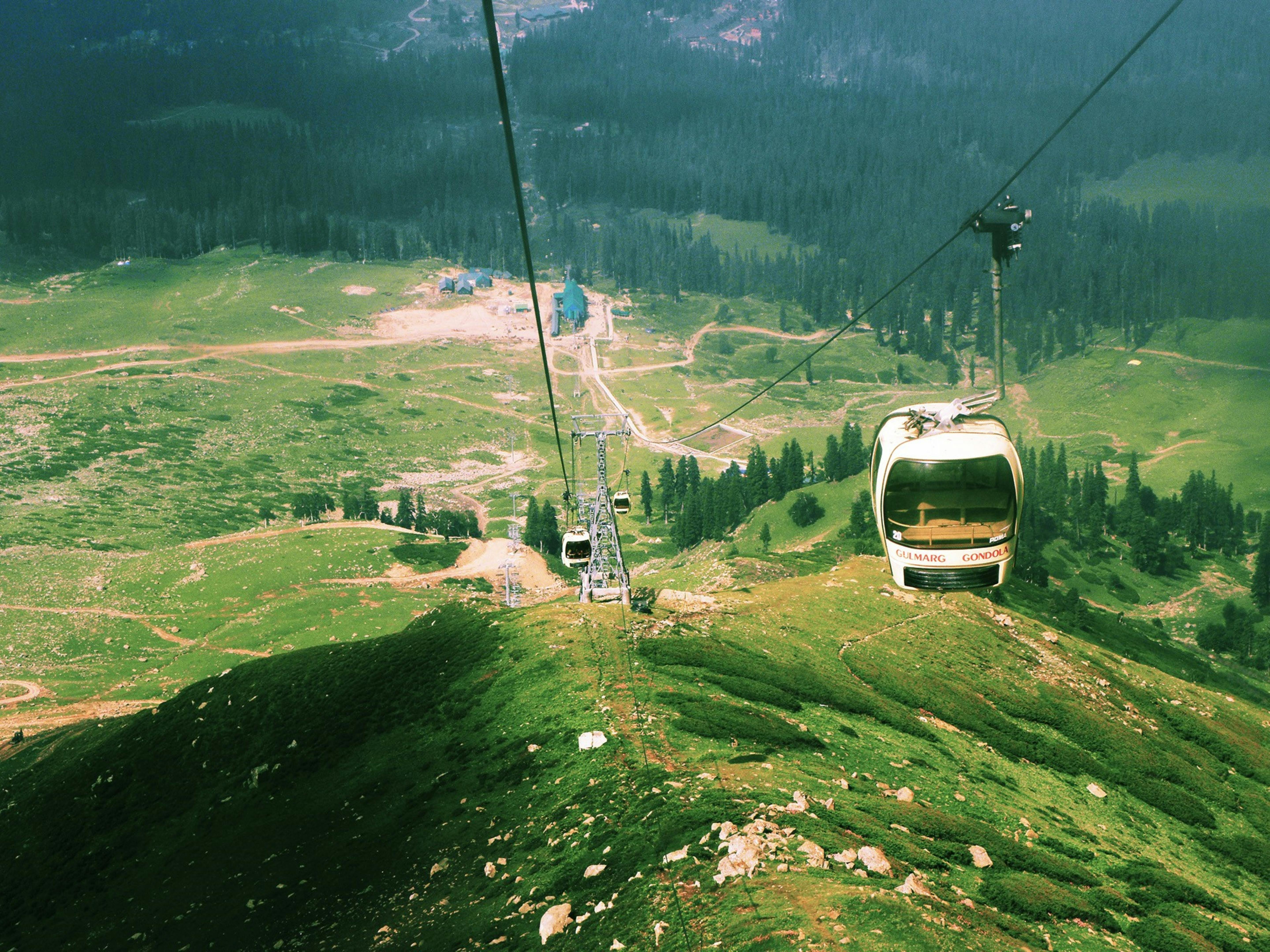
The drive from Srinagar takes 90 minutes through apple orchards and pine forests. Gulmarg sits at 8,694 feet, and in winter, it transforms into India's premier skiing destination. The Gondola cable car climbs to 13,780 feet in two phases—Phase 1 is easy to access, but Phase 2 tickets require booking three months ahead.
Drung Waterfall: Twenty kilometers before Gulmarg, the Drung waterfall freezes into a curtain of ice by January. The walk from the road takes fifteen minutes through snow.
Skiing Courses: The slopes cater to beginners and advanced skiers alike. Equipment rentals and instructors are available, but book in advance for Gulmarg skiing course sessions during peak winter.
Day 4: Pahalgam — The Shepherd's Valley
The Lidder River runs cold and fast through Pahalgam, cutting through valleys that host shepherds, filmmakers, and pilgrims heading to Amarnath. This is where the 17,000-strong New Year crowd came, but go early or late in the day and you'll find breathing room.
Aru Valley: Twelve kilometers from Pahalgam, Aru is the base for trekkers heading to frozen lakes and meadows. In summer, it's green. In winter, it's a snow globe.
Betaab Valley & Baisaran: Betaab was named after a Bollywood film shot here. Baisaran, locals call it "Mini Switzerland"—though the comparison sells Kashmir short.
River Rafting: The Lidder offers Grade II and III rapids from April to June. The water is snowmelt-cold, the adrenaline is warm.
Day 5: Sonamarg — The Meadow of Gold
The name means "Meadow of Gold," and when September light hits the alpine flowers, you understand why. The road from Srinagar climbs steadily for three hours, passing through the Sindh Valley.
Thajiwas Glacier: Ponies carry tourists to the glacier base. The ride takes an hour through meadows and pine groves. The glacier itself doesn't sparkle—it works, grinding stone into silt, feeding rivers.
Sonamarg is also the last stop before the Srinagar to Leh road trip begins. The Zoji La Pass, at 11,575 feet, opens in late May and closes by November. That journey deserves its own guide.
Day 6: Gurez Valley — The Offbeat Crown Jewel
Here's where this itinerary earns its depth. While the masses circle back to Srinagar, you push north to Gurez Valley, where the Kishanganga River braids silver through alpine meadows and the Dard-Shina tribe speaks a language older than Urdu.
Razdan Pass: The only road to Gurez crosses Razdan Pass at 11,672 feet. It's open from April to November—winter seals it shut. The drive from Bandipora takes four hours through terrain that shifts from forest to tundra.
Permits Required: Gurez is near the Line of Control. You need a permit from the Bandipora Deputy Commissioner's Office or the SP Tourism. Apply 48 hours in advance with ID proof. Most hotels in Bandipora can facilitate this.
What Awaits: Wooden houses with slate roofs. Locals who'll offer you salt tea without asking. Habba Khatoon peak named after a 16th-century poet-queen. Silence so complete you'll hear your own heartbeat.
Alternative: Bangus Valley: If Gurez feels too remote, Bangus Valley near Kupwara offers similar solitude. Permits usually require clearance from Handwara SP. Both valleys reward the effort with landscapes unmarked by selfie sticks.
Day 7: Shopping & Departure
Pashmina: Real pashmina feels like warm air woven into thread. The government emporia on Residency Road guarantee authenticity—street vendors don't.
Saffron: Kashmir produces 90 percent of India's saffron in the Pampore fields. Look for deep red threads with minimal yellow. Prices start at ₹250 per gram for grade-A saffron.
Walnuts, Almonds, and Handicrafts: The dried fruit markets near Lal Chowk offer bulk prices. Papier-mâché boxes and walnut wood carvings make for genuine souvenirs.
Kashmir Tour Packages 2026: What You'll Actually Pay
Budget estimates often skip the hidden costs—the pony rides that aren't included, the Gondola tickets you'll buy separately, the shikara wallah who expects tips. This pricing reflects reality, not brochure fantasies.
| Package Type | Price Range (Per Person) | Inclusions | What's Extra |
|---|---|---|---|
| Budget | ₹18,000 - ₹25,000 | 3-star hotels, shared transfers, breakfast only, sightseeing by tempo traveler | Gondola tickets (₹1,500+), shikara rides, pony rides, lunches/dinners, entry fees |
| Mid-Range | ₹35,000 - ₹50,000 | 4-star hotels/houseboats, private cab, breakfast + dinner, most sightseeing, airport transfers | Premium Gondola Phase 2, adventure activities (rafting, skiing), alcohol, shopping |
| Luxury | ₹65,000+ | 5-star hotels, deluxe houseboats, private SUV, all meals, guided tours, Gurez permits handled, priority bookings | Personal photography, helicopter rides, private ski instructors, haute couture pashmina |
Kashmir Honeymoon Cost Breakdown
Honeymoon packages typically add 15-20 percent to base prices for romantic inclusions: candlelight dinners on houseboats, private shikara rides at dawn, couple spa sessions, decorated rooms with valley views. Expect ₹45,000 to ₹75,000 for a mid-range 5-night honeymoon covering Srinagar, Gulmarg, and Pahalgam. Luxury experiences with Gurez extension can touch ₹1,20,000 for a couple.
The Logistics That Guidebooks Skip
The SIM Card Situation
Your prepaid SIM won't work in Kashmir. Period. The regulations require postpaid connections—Jio and Airtel work best. Apply for a postpaid connection before you arrive, or buy a local SIM in Srinagar with address proof and ID. WiFi is available in hotels, but don't count on it in Gurez or Sonamarg.
Weather Realities
Chillai Kalan (December 21 - January 31): The harshest winter period. Dal Lake freezes. Temperatures drop to -8°C. Roads to Gurez and Sonamarg close. But Gulmarg becomes a skiing paradise.
Spring (March - May): Tulips bloom in Indira Gandhi Memorial Tulip Garden—Asia's largest. Temperatures hit 15-20°C. The Mughal gardens explode with color. This is peak season; prices reflect it.
Summer (June - August): When India bakes, Kashmir stays cool at 25-30°C. Families escape here. Accommodations fill up. Book three months ahead.
Autumn (September - November): The chinars turn gold and crimson. Photographers worship this season. Sonamarg's meadows glow. Weather is unpredictable—carry layers.
What to Pack
Layers matter more than bulk. A good fleece, waterproof jacket, thermal innerwear, and sturdy boots will carry you further than a heavy coat. Locals wear pherans—long wool cloaks—and carry kangris, earthen fire pots filled with embers. You can buy both in Srinagar's markets.
Sunscreen is critical—the altitude burns skin faster than beaches. Lip balm, moisturizer, and a water bottle complete the essentials. If you're heading to Gurez, pack snacks and energy bars; dining options are limited.
Eating Kashmir: Beyond Wazwan
Wazwan—the traditional Kashmiri feast—deserves its fame. Thirty-six courses served on a copper platter, including rista (meatballs in red gravy), rogan josh (lamb in aromatic curry), and gushtaba (pounded mutton in yogurt). But daily Kashmiri food is subtler.
Noon Chai: Pink salt tea made with baking soda, milk, and cardamom. It's an acquired taste—salty, buttery, strange, then addictive.
Haakh: Collard greens cooked with mustard oil and red chili. Simple, earthy, deeply satisfying.
Kahwa: Green tea infused with saffron, almonds, and cinnamon. Served in samovars at nearly every meal.
Nadru (Lotus Stem): Fried crisp or cooked in yogurt gravy. The crunch is unique—fibrous but delicate.
For budget travelers, the local dhabas serve mutton yakhni and rice for ₹150. Mid-range restaurants charge ₹500 per person for a full meal. A proper Wazwan experience costs ₹1,500 to ₹3,000 per head at places like Ahdoos or Mughal Darbar.
Safety: The Question Everyone Asks
The numbers answer better than reassurances. Kashmir welcomed 1.3 crore visitors in recent years. Hotels are full. Adventure companies operate daily. Tourism is the valley's economic lifeline, and safety is prioritized accordingly.
That said, understand the context. Kashmir has a political history. Avoid protests if they occur. Follow local news. The forces presence is visible but non-intrusive for tourists. Restricted areas near the Line of Control require permits for a reason—respect those boundaries.
Solo female travelers report generally positive experiences. Stick to established tourist circuits, dress modestly out of cultural respect, and avoid isolated areas after dark. Homestays and reputable hotels offer safer lodging than budget guesthouses in unfamiliar neighborhoods.
The biggest actual risks are practical: altitude sickness in Sonamarg or Gurez, slippery winter roads, and dehydration from underestimating the dry climate. Carry prescribed medications, stay hydrated, and hire experienced drivers for mountain roads.
Frequently Asked Questions
Is Kashmir safe for tourists in 2026?
Yes. Tourism infrastructure is robust, and the region welcomed 1.3 crore visitors recently. Normal precautions apply—stay informed about local conditions, avoid protest areas, and follow government advisories. The tourism industry depends on visitor safety, and measures are in place accordingly.
What is the best time to visit Kashmir?
It depends on your priorities. March to May offers blooming gardens and pleasant weather. June to August provides summer escape from India's heat. September to November delivers autumn colors and photography opportunities. December to February brings snow and skiing but closes some high-altitude passes.
How much does a Kashmir tour cost in 2026?
Budget packages range from ₹18,000 to ₹25,000 per person for basic accommodations and shared transport. Mid-range tours cost ₹35,000 to ₹50,000 with better hotels and private cabs. Luxury experiences start at ₹65,000+ with premium properties and comprehensive inclusions. Kashmir honeymoon cost typically adds 15-20 percent for romantic upgrades.
Do I need permits for Gurez Valley?
Yes. Gurez Valley requires a permit from the Bandipora Deputy Commissioner's Office or SP Tourism due to its proximity to the Line of Control. Apply 48 hours in advance with ID proof. Hotels in Bandipora often assist with this process. Similarly, Bangus Valley permits usually need clearance from Handwara SP.
Will my mobile phone work in Kashmir?
Prepaid SIM cards do not work in Kashmir due to security regulations. You need a postpaid connection—Jio and Airtel have the best coverage. Apply before traveling or purchase a local postpaid SIM in Srinagar with proper documentation. WiFi is available in most hotels but unreliable in remote areas like Gurez.
Can I do the Srinagar to Leh road trip in 2026?
The Srinagar-Leh highway via Sonamarg and Zoji La Pass opens in late May and closes by November, weather permitting. The journey covers roughly 420 kilometers and takes two days with an overnight stop in Kargil. Hire experienced drivers familiar with high-altitude conditions. This route offers spectacular mountain landscapes but requires proper acclimatization planning.
Ready to book your Kashmir trip?
Srinagar-based experts · Custom itinerary · Free quote in 30 minutes
Related Articles
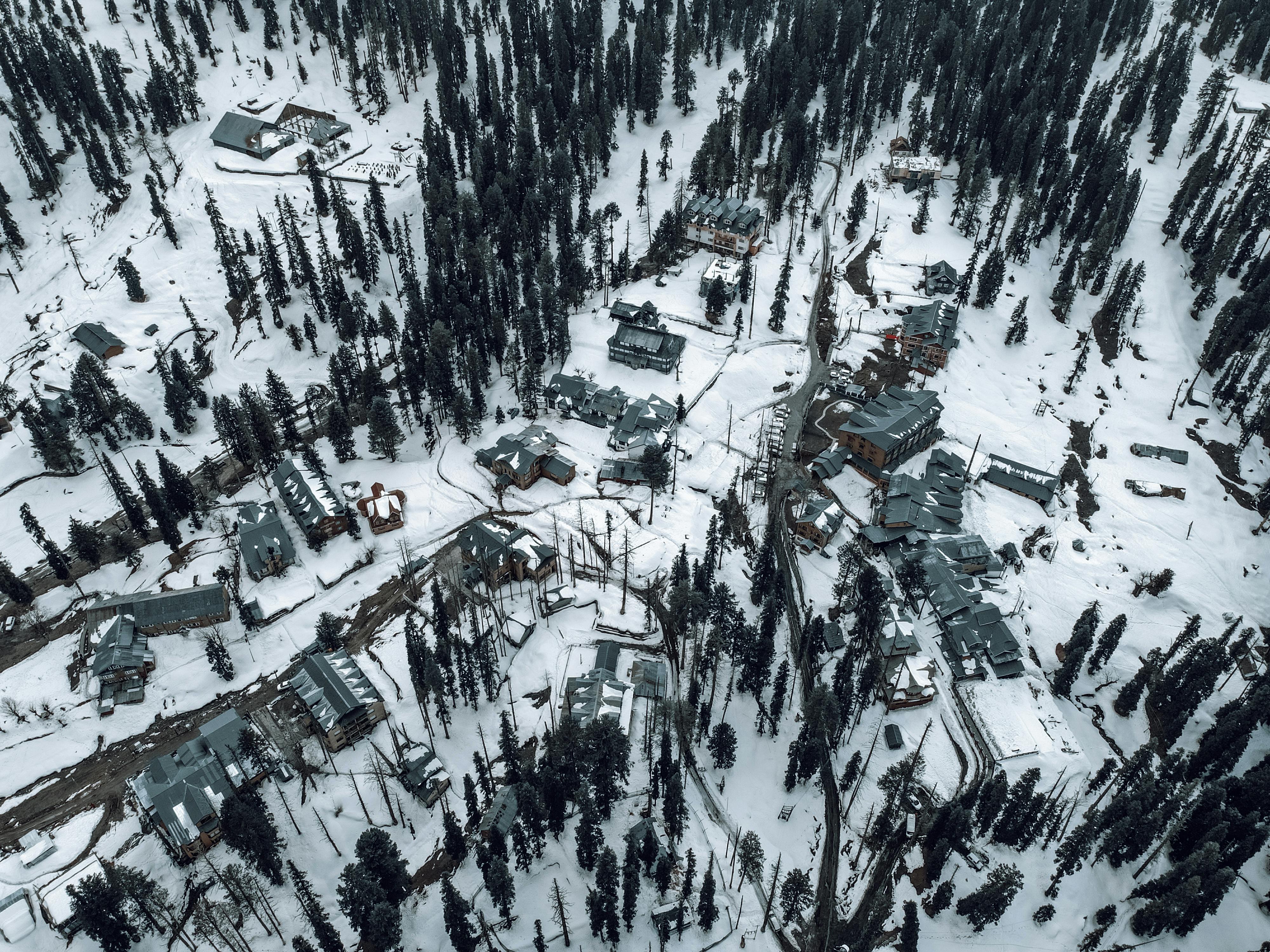
Gulmarg Kashmir: Complete Travel Guide & Best Tour Packages 2026 | Book Now
Gulmarg Kashmir: The Ultimate Travel Guide to Paradise on Earth (2026 Complete Edition) ...
Read More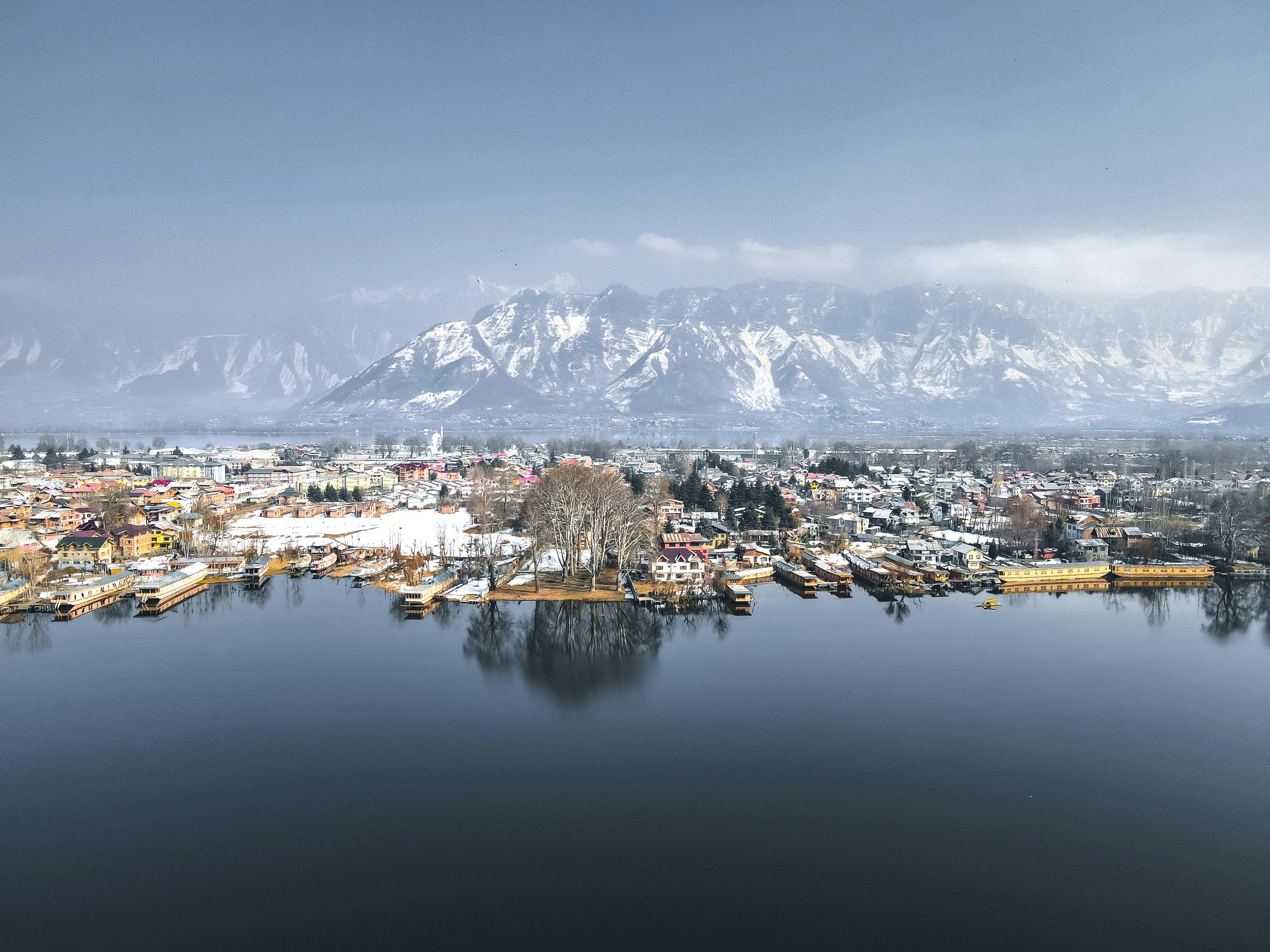
kashmir safety guide 2026
/* Mobile-Friendly & Clean CSS */ .kashmir-guide-container { font-family...
Read More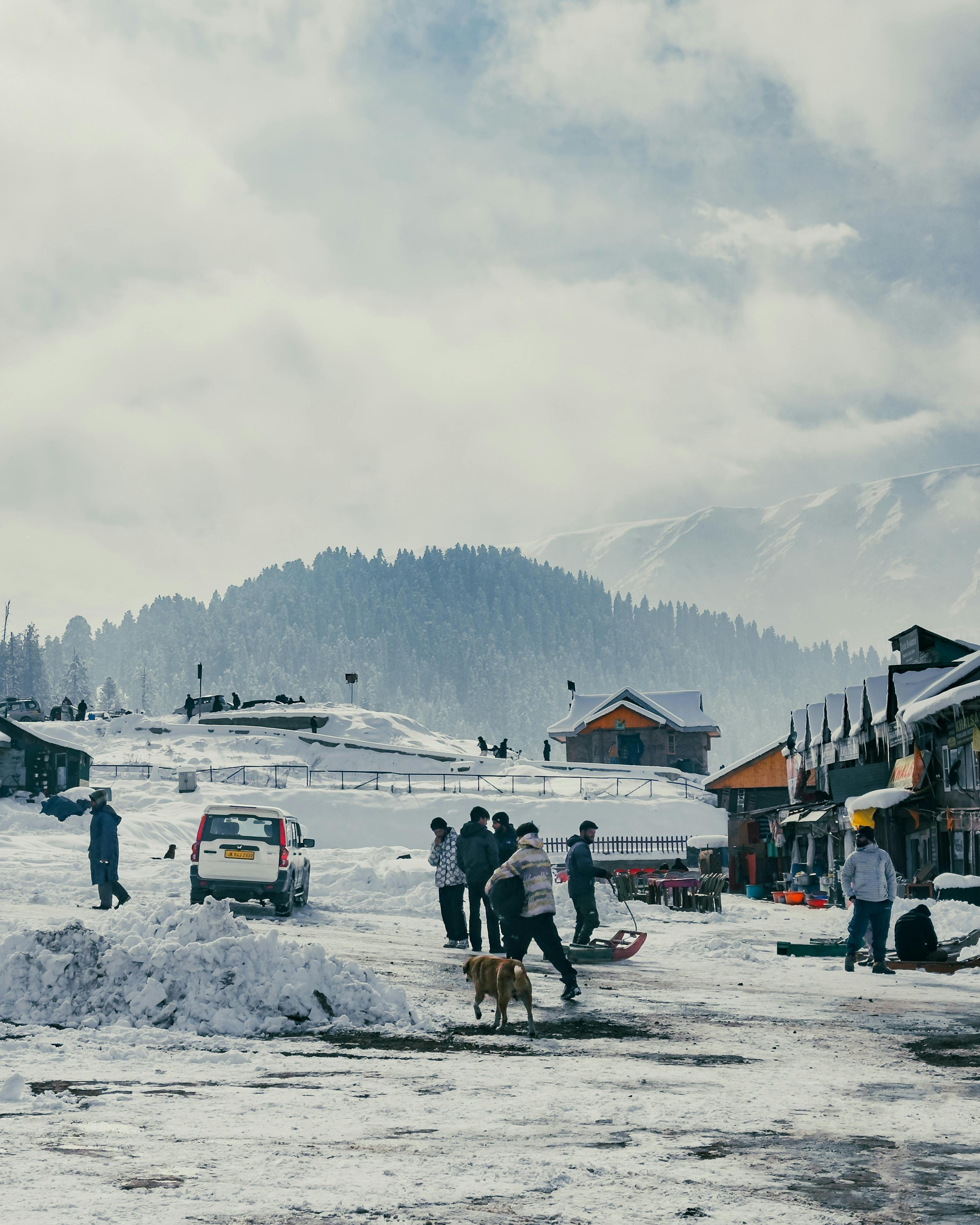
The Ultimate Guide to Kashmir Tourism 2026 (Itinerary + Costs + Safety)
The Ultimate Guide to Kashmir Tourism 2026 (Itinerary + Costs + Safety) ...
Read More